

In a world that often places great emphasis on appearances, cosmetics have become much more than just tools for enhancing beauty. Beyond their surface-level benefits, cosmetics have the power to uplift your spirits and boost your overall well-being. Here, we’ll delve into the emotional and psychological aspects of cosmetics, exploring how they can have a profound impact on your self-esteem, confidence, and happiness.
The Psychology of Makeup
The connection between cosmetics and psychology is a fascinating one. The act of applying makeup can be therapeutic, almost like a form of self-care. It provides a sense of control and creativity, allowing individuals to express themselves in unique ways. When you take the time to apply makeup, you are essentially saying, “I value myself enough to invest in my appearance.”
Many studies have highlighted the psychological benefits of wearing makeup. It can boost self-esteem, enhance mood, and even reduce stress. This, in turn, can have a positive effect on various aspects of life, from work to social interactions.
Enhancing Self-Esteem
 One of the most significant ways cosmetics uplift your spirits is by enhancing your self-esteem. Makeup can help you feel more confident in your own skin, and this confidence radiates outward. When you look good, you often feel better about yourself, and this newfound self-assurance can positively impact your interactions with others.
Cosmetics allow you to accentuate your best features and downplay any imperfections, which can help you feel more self-assured. For some individuals, makeup is a tool to cover blemishes or scars, providing a sense of normalcy and boosting self-esteem. It’s not about masking who you are but rather about highlighting your unique beauty.
Boosting Confidence
Cosmetics also play a crucial role in boosting confidence. Whether it’s bold lipstick that makes you feel empowered or perfectly groomed eyebrows that give you a sense of poise, makeup can act as a confidence booster. When you know you look your best, you carry yourself differently, exuding confidence and assurance.
Makeup can also be a form of self-expression. Experimenting with different looks and styles allows you to express your personality and creativity. This creative outlet can have a profound impact on your confidence as you become more in tune with your own identity and style.
Mood Enhancement
Have you ever noticed how applying makeup can transform your mood? It’s not just about the physical transformation; it’s the emotional uplift that comes with it. The process of applying makeup can be a mindful and relaxing experience, providing a moment of self-indulgence and self-love.
Cosmetics can enhance your mood by making you feel more attractive. When you feel attractive, you’re more likely to experience positive emotions like happiness and self-assuredness. That is one of the reasons why some people like to change their hair colour or go for some subtle changes like slightly changing the colour of their eyes with coloured contacts. It’s not a biggie, as a simple search online for ‘coloured contact lenses near me’ can help them explore various options. To look the best at a Halloween party, go for scary contact lenses that can help you bring your favourite movie character to life. Always remember that to look more attractive, it is important to feel great within.
Empowerment Through Makeup
Makeup is a choice, and that choice can be empowering. It allows you to take charge of your appearance and present yourself to the world in the way you desire. This empowerment extends beyond physical beauty; it’s about feeling in control of how you are perceived and how you feel about yourself.
It can also be a source of empowerment for individuals who use it to express their gender identity or challenge societal norms. It can be a tool for self-affirmation and a way to communicate one’s true self to the world. In this way, cosmetics can uplift spirits by helping people embrace their authentic selves.
A Boost in Well-Being
Cosmetics can contribute to overall well-being by promoting self-care and self-love. Taking the time to care for your appearance can be a form of self-compassion. It’s a way of saying, “I deserve to feel good about myself.” This self-compassion can have a positive impact on your mental health.
Ultimately, the decision to wear makeup is a personal one, and it should be made in a way that makes you feel most comfortable and confident. Whether you choose to wear makeup daily or only on special occasions, remember that its emotional and psychological benefits can be profound, making you not only look good but also feel good about yourself.
 Elevate your Halloween celebration by selecting a unique theme that sets the tone for the entire event. Whether it’s a classic haunted mansion, a creepy carnival, or a specific movie or TV show theme, having a central concept can make your decorations, costumes, and activities more cohesive and memorable.








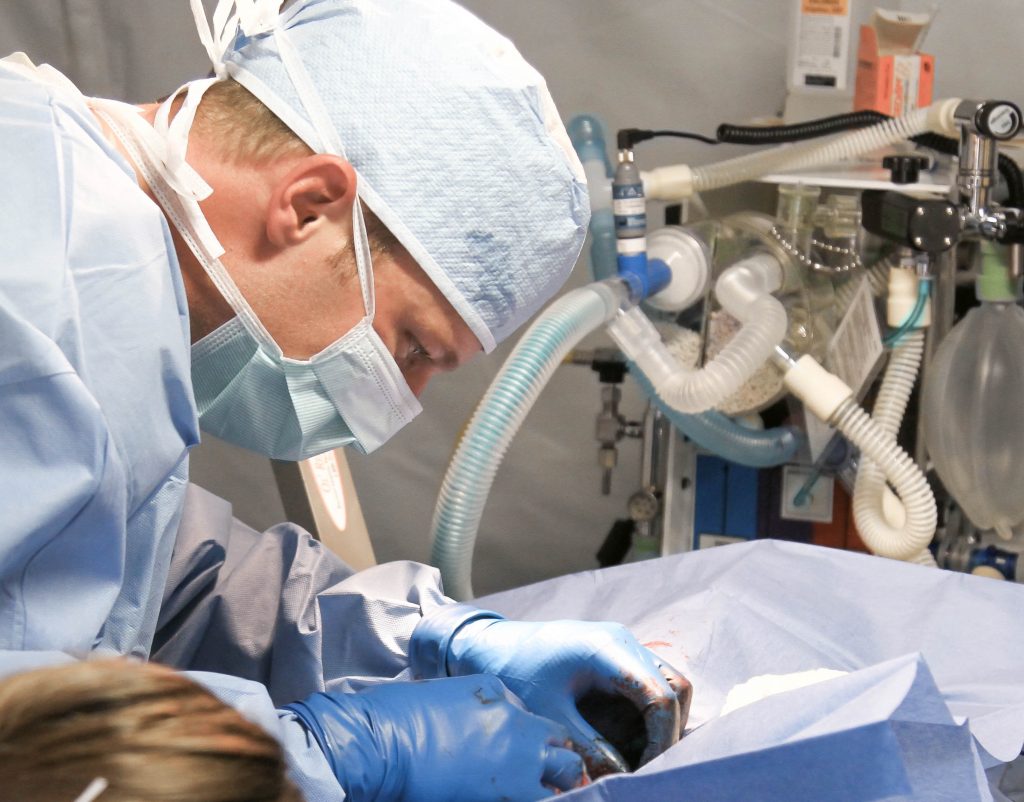
 These plastic surgeries wouldn’t have exactly the identical effect if postoperative scarring was visible and prominent. Certified plastic surgeons use many methods during processes to decrease the appearance of discolouration. On the other hand, the efficacy of these methods is dependent upon the time of the process, the size of the incision, the individual’s genetics, and also the tone of skin. Read about a few of the methods that surgeons use to decrease scarring.



 for your own piece. This may stop dust particles, or rust, from settling in your artwork.
 Guests appreciate stylish and modern interiors that imply relaxation after a very long trip. So much so that a trend has emerged of the way to best to hotelify your house. That is correct, travellers adore modern hotel design, and they would like to integrate them in their own